
Buddhism: Images, Symbols, and Sacred Places
This gallery presents Buddhist images, objects, and sites selected for close visual study. Use the images to compare teaching scenes, sacred objects, architecture, texts, and regional styles.
These images are selected for study and comparison. Look closely at the source, rights note, caption, and category for each image before drawing conclusions.
Buddha Preaching, Thailand
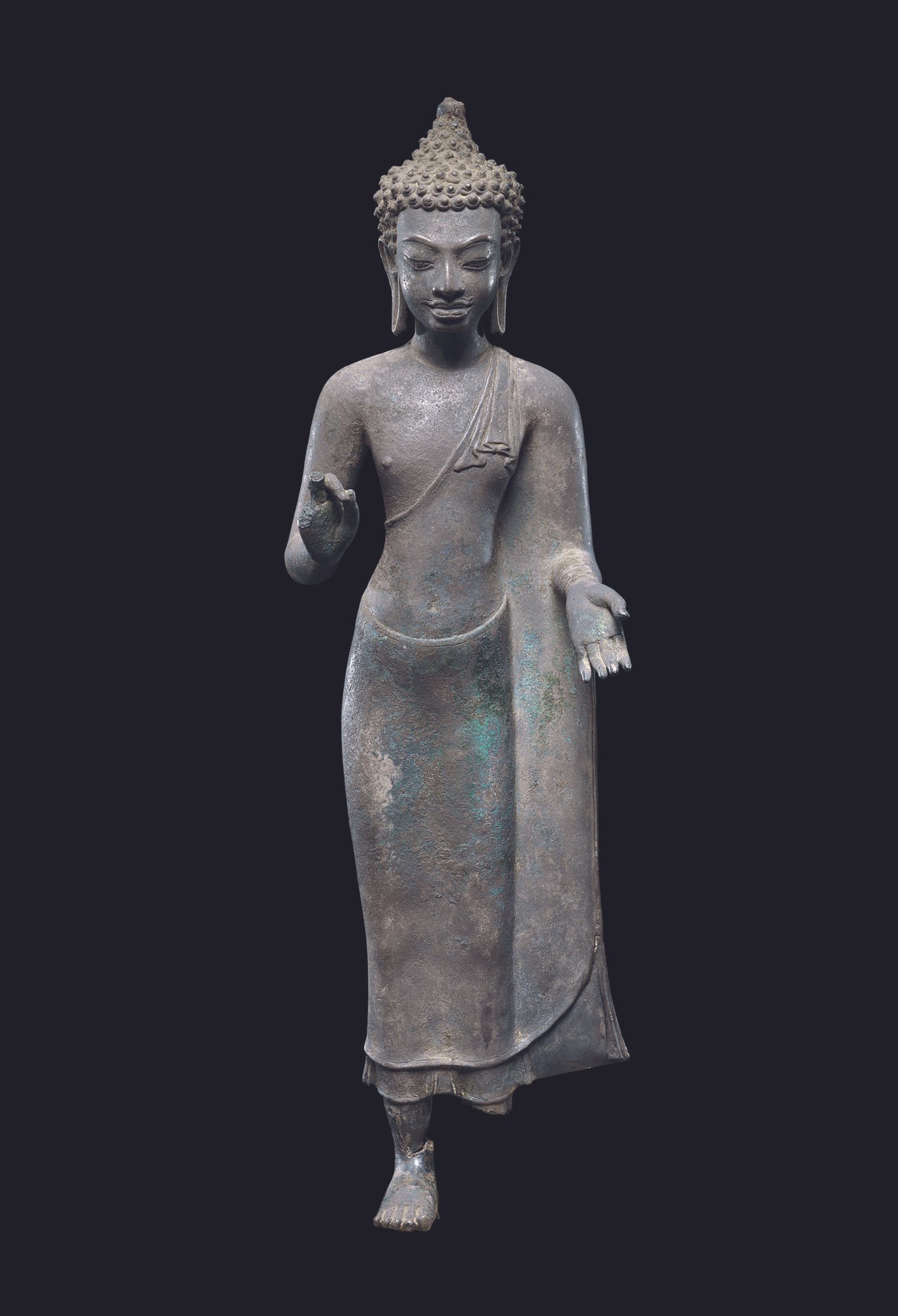
This relief shows the Buddha as a teacher in a preaching scene from Thailand. It connects Buddhist imagery with the transmission of the Dharma. Students can study gesture, narrative, and audience rather than only isolated statues.
Bodhisattva Avalokiteshvara (Guanyin)
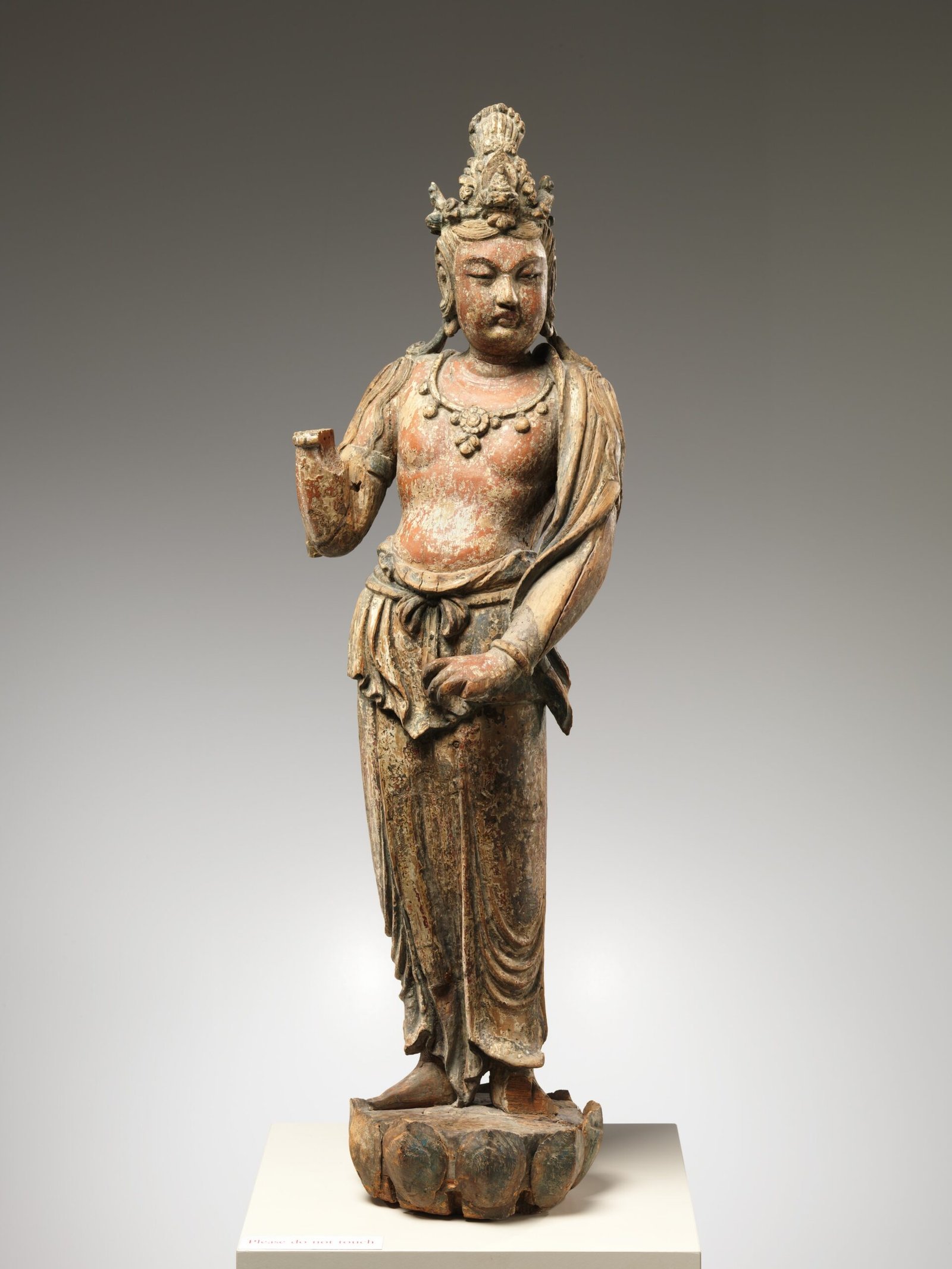
This image shows Bodhisattva Avalokiteshvara (Guanyin) (dated 1282). It connects directly to Buddhism through bodhisattva image. Students can use it to compare how objects, texts, sites, and practices communicate religious ideas in a World Religions course.
Maharaja Sidh Sen Receiving an Embassy
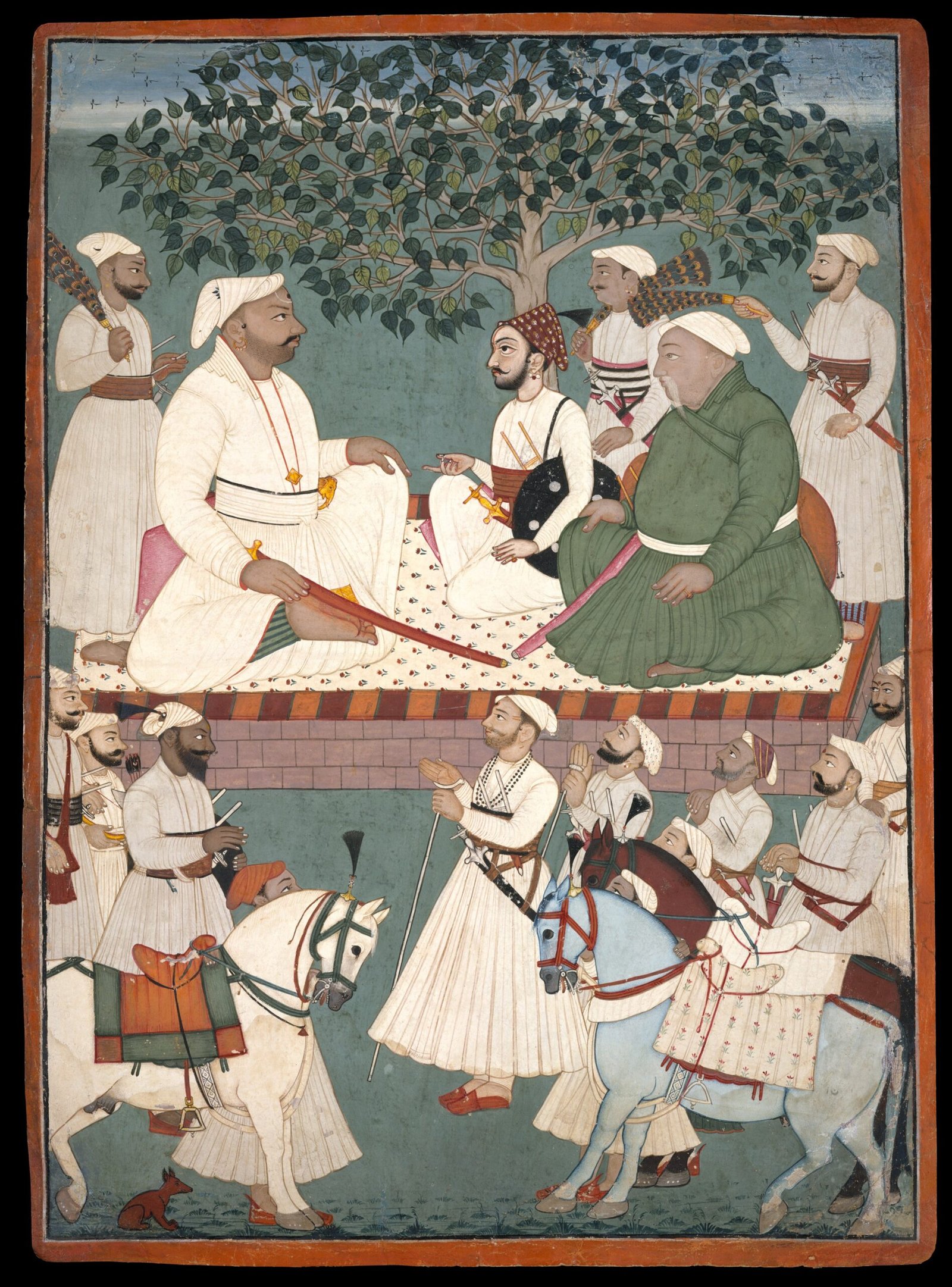
This image shows Maharaja Sidh Sen Receiving an Embassy. It connects to Buddhism through buddhist manuscript. Students can use it to compare how objects, texts, places, and practices communicate religious ideas.
Scholars of the Liuli Hall
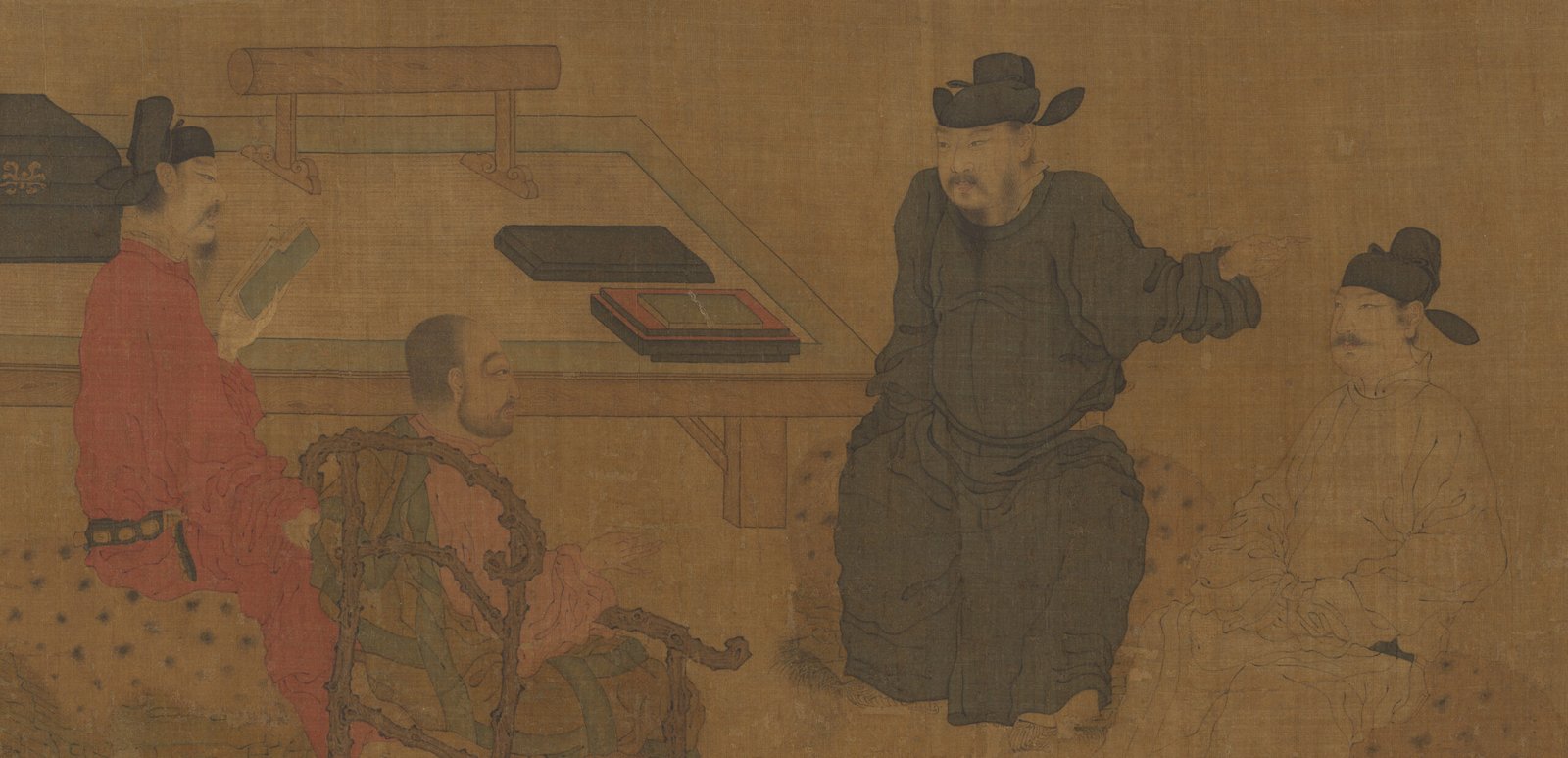
This image shows Scholars of the Liuli Hall. It connects to Buddhism through buddhist ritual object. Students can use it to compare how objects, texts, places, and practices communicate religious ideas.
Votive stele with Buddha and bodhisattvas
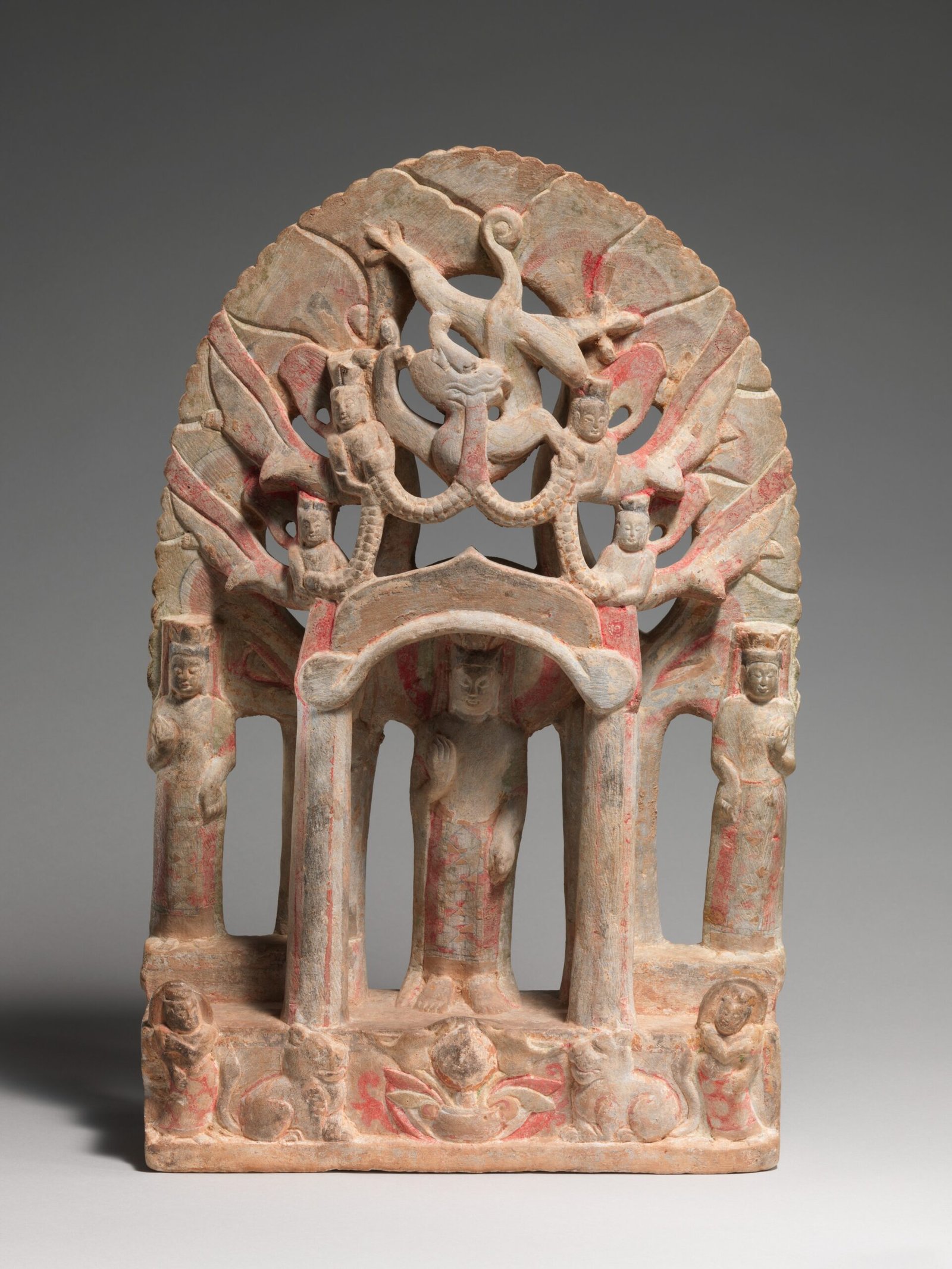
This image shows Votive stele with Buddha and bodhisattvas. It connects to Buddhism through buddhist temple/monastic architecture. Students can use it to compare how objects, texts, places, and practices communicate religious ideas.
Mandala of the Sun God Surya
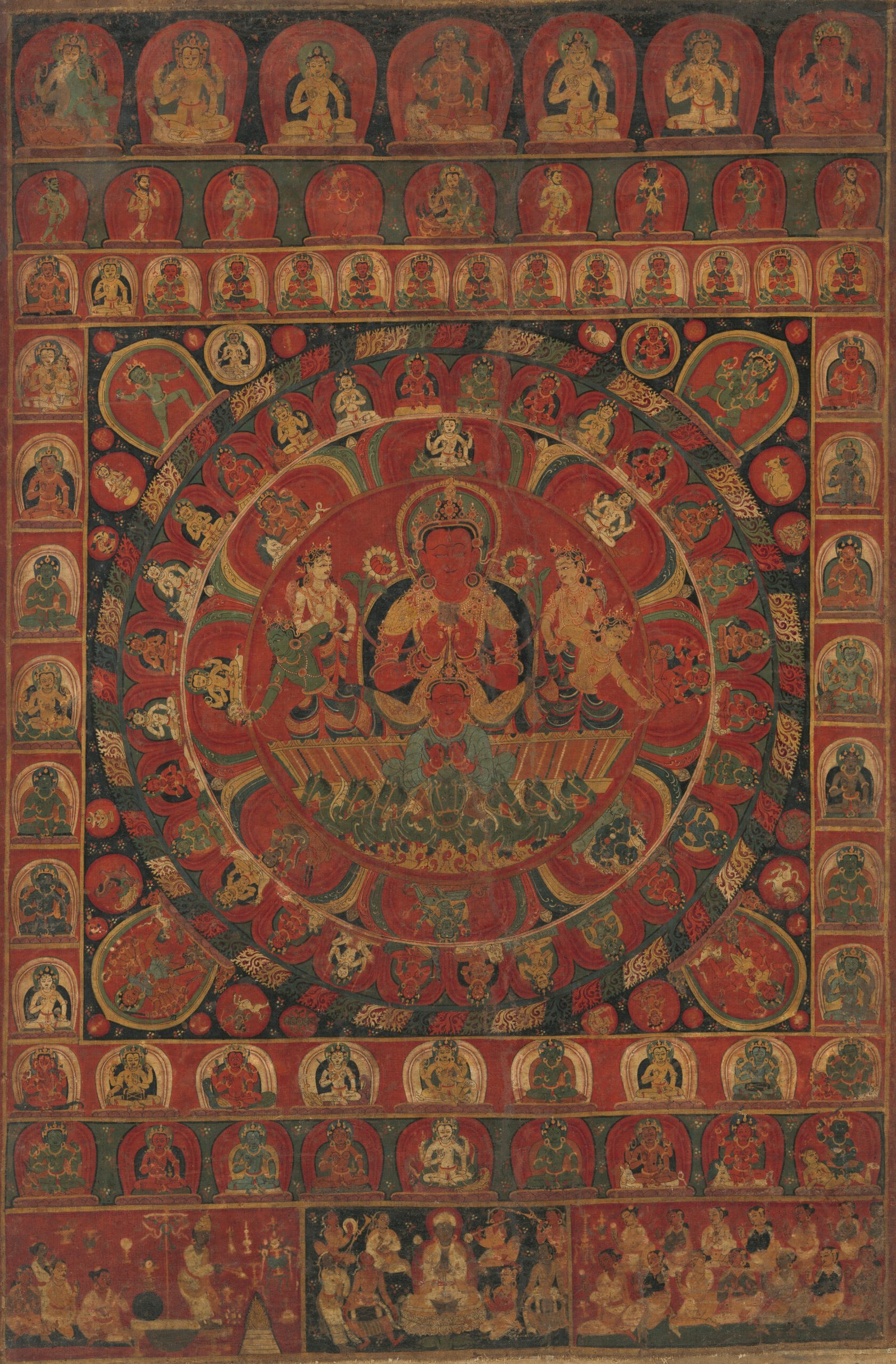
This image shows Mandala of the Sun God Surya. It connects to Buddhism through stupa/pilgrimage site. Students can use it to compare how objects, texts, places, and practices communicate religious ideas.
Questions for Looking Closely
- What specific details in the image connect it to this tradition?
- What source information helps you interpret the image responsibly?
- How does this image complicate a simple or stereotyped understanding of the tradition?
- What comparison could you make with another image on this page?