
Shinto: Images, Symbols, and Sacred Places
This gallery presents Shinto images and places selected for close study. Use the images to consider shrine space, torii, ritual movement, public practice, and careful language about kami.
These images are selected for study and comparison. Look closely at the source, rights note, caption, and category for each image before drawing conclusions.
Male and Female Shinto Deities
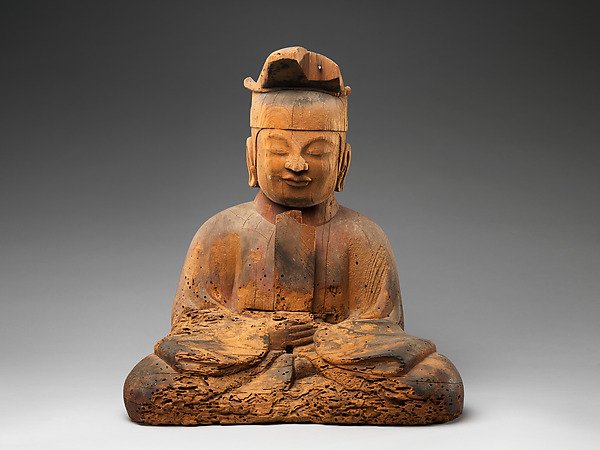
Male and Female Shinto Deities is a candidate image from The Metropolitan Museum of Art found with the curated search term ‘Shinto shrine’. It is relevant to Shinto because it fits the page category: Torii gate, shrine architecture, shrine ritual/festival, sacred landscape, or publicly displayed shrine object. It would help World Religions students connect a specific object, site, or practice with the tradition.
Caution: Use kami carefully; avoid simply equating kami with gods.
Female Shinto Deity
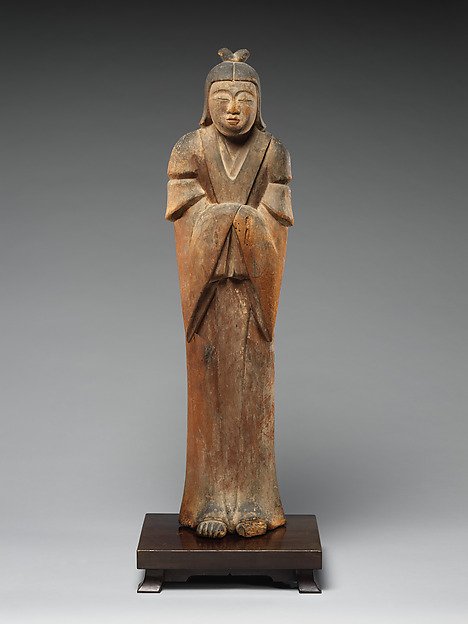
Female Shinto Deity is a candidate image from The Metropolitan Museum of Art found with the curated search term ‘Shinto shrine’. It is relevant to Shinto because it fits the page category: Torii gate, shrine architecture, shrine ritual/festival, sacred landscape, or publicly displayed shrine object. It would help World Religions students connect a specific object, site, or practice with the tradition.
Caution: Use kami carefully; avoid simply equating kami with gods.
Meiji Shrine Approach
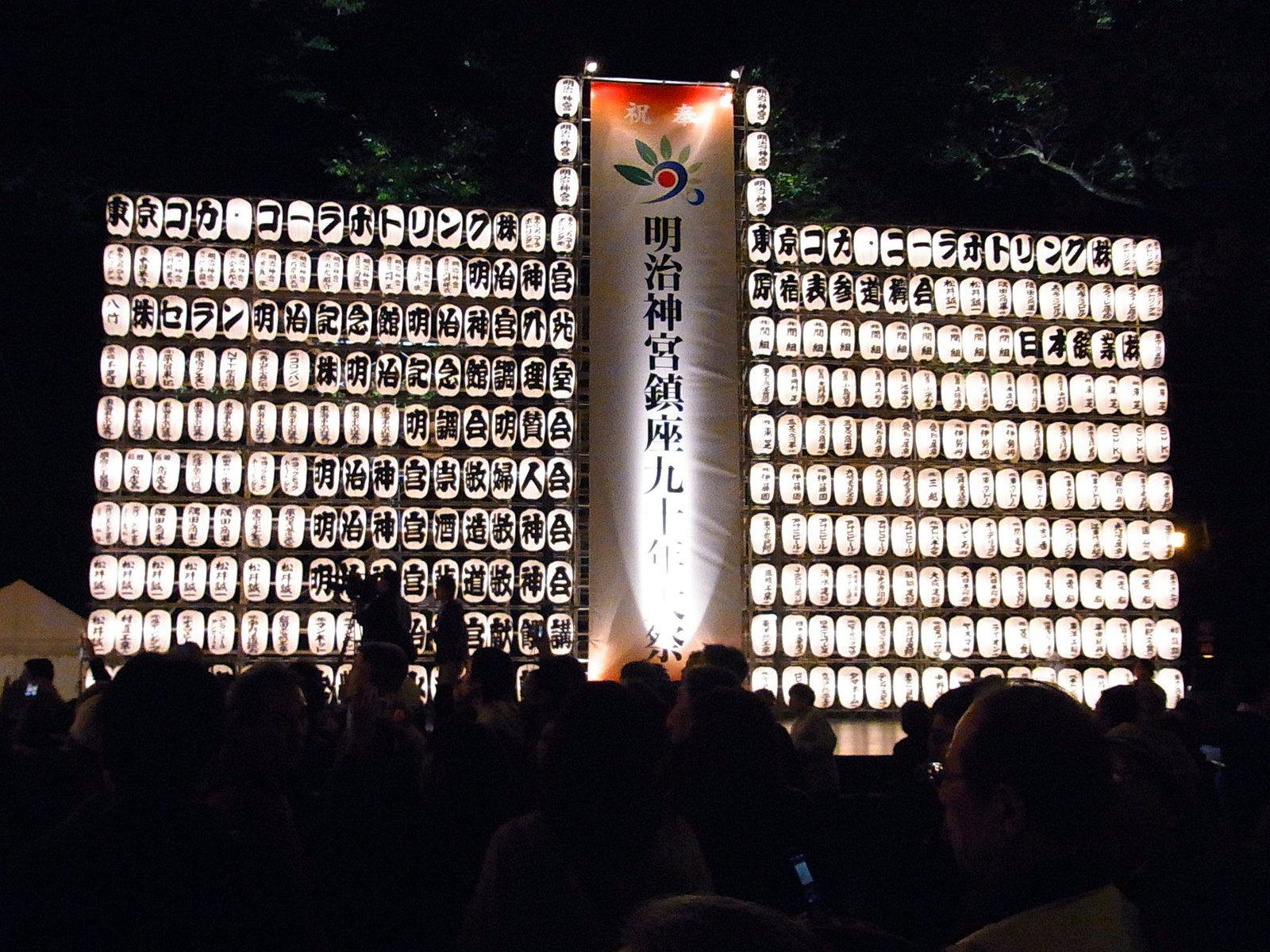
This shrine approach shows Shinto practice in a modern public setting shaped by trees, paths, gates, and ritual movement. Students can discuss shrine space without reducing Shinto to scenery or national symbolism. It should be framed carefully as public shrine practice.
Caution: Use kami carefully; avoid simply equating kami with gods.

Young Women Visiting a Shinto Shrine
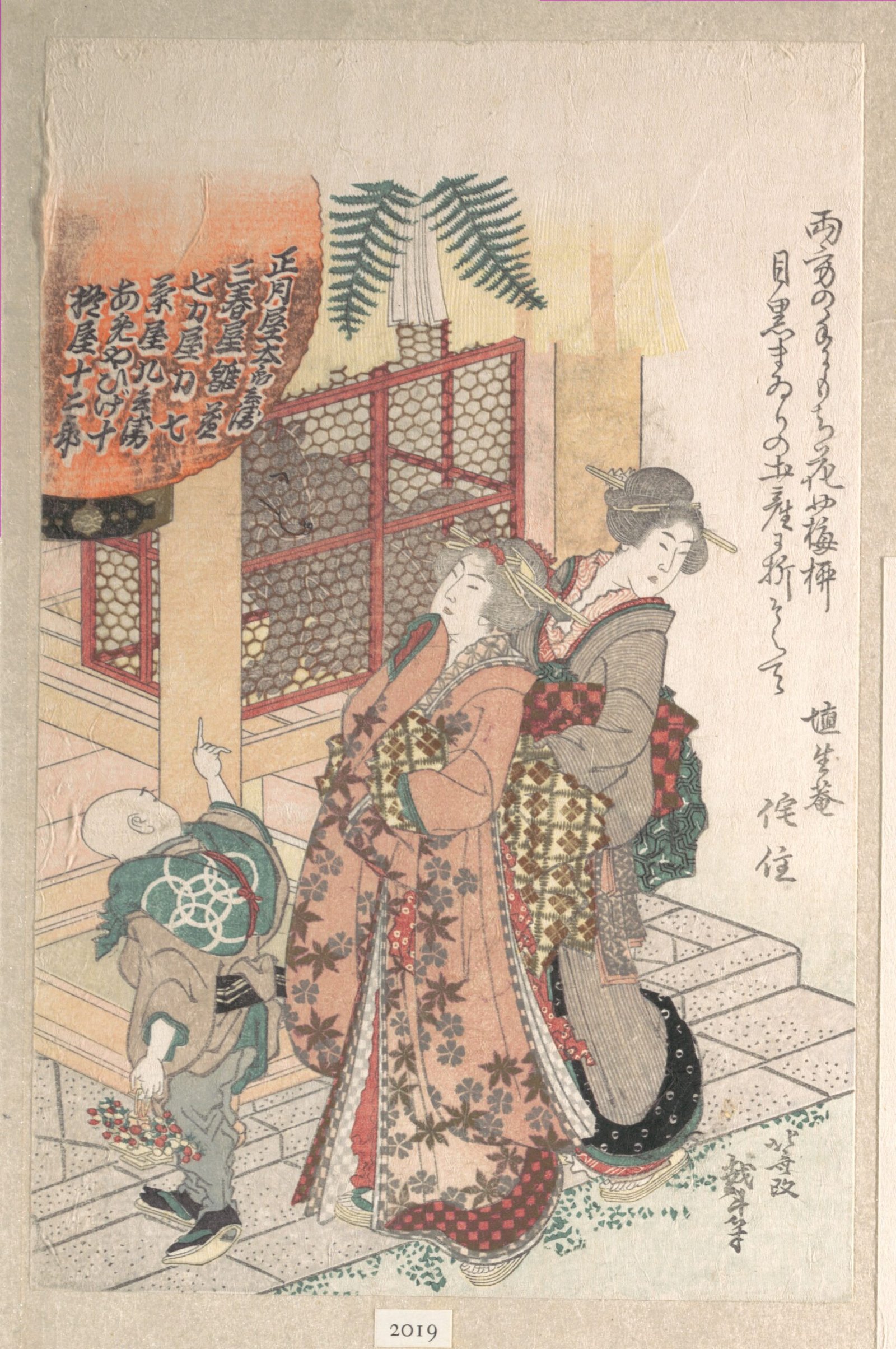
This image shows Young Women Visiting a Shinto Shrine. It connects to Shinto through shrine ritual/festival, with kami understood carefully as presences or powers honored in specific places and practices. Students can use it to compare shrine space, public ritual, and sacred landscape without reducing Shinto to a single symbol.
Caution: Use kami carefully; avoid simply equating kami with gods.
Shinto Deity in the Guise of the Monk Hyeja
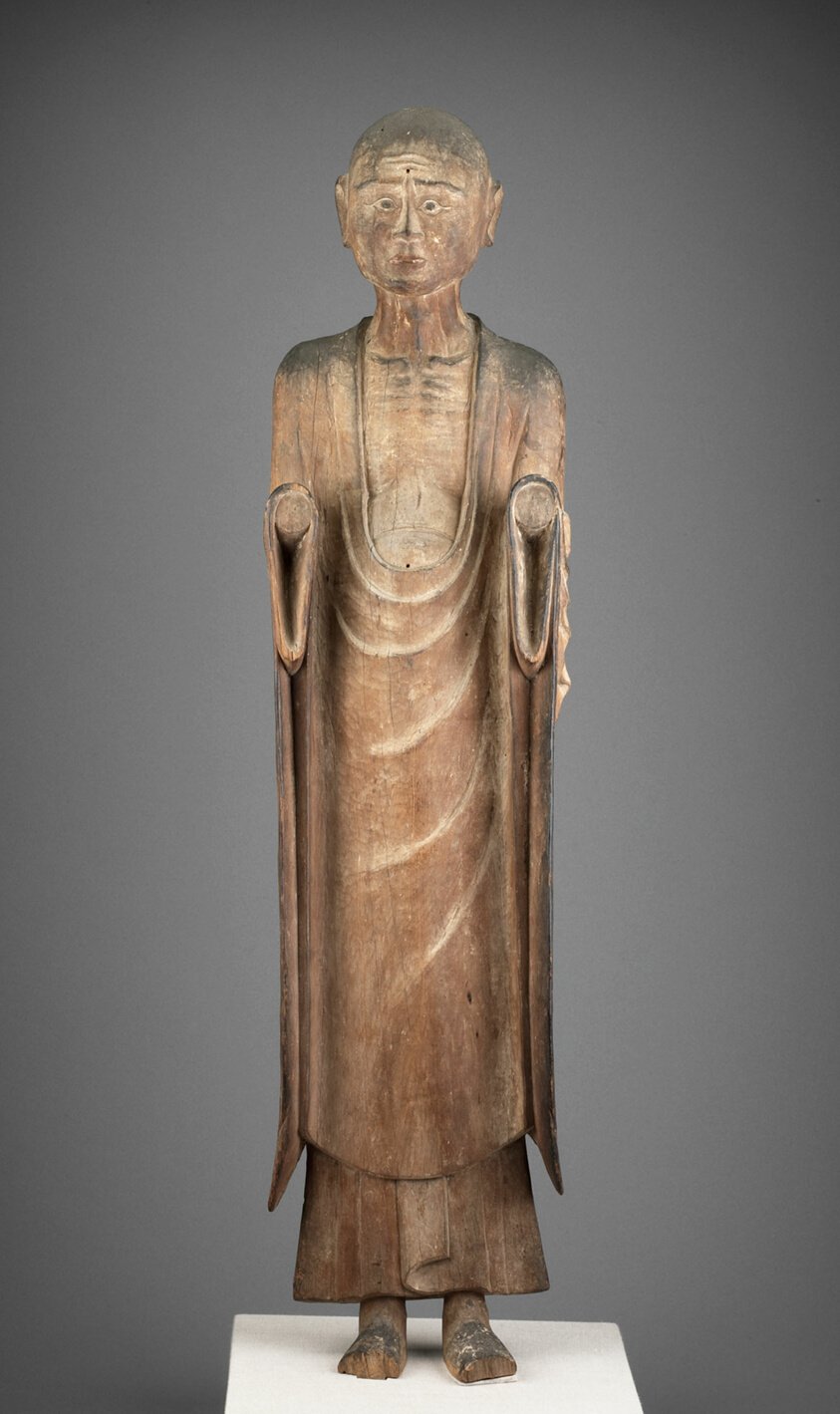
This image shows Shinto Deity in the Guise of the Monk Hyeja. It connects to Shinto through shinto deities/kami image, with kami understood carefully as presences or powers honored in specific places and practices. Students can use it to compare shrine space, public ritual, and sacred landscape without reducing Shinto to a single symbol.
Caution: Use kami carefully; avoid simply equating kami with gods.
Questions for Looking Closely
- What specific details in the image connect it to this tradition?
- What source information helps you interpret the image responsibly?
- How does this image complicate a simple or stereotyped understanding of the tradition?
- What comparison could you make with another image on this page?