
Judaism: Images, Symbols, and Sacred Places
This gallery presents Jewish texts, ritual objects, and spaces selected for study and comparison. Use the images to consider Torah, worship, home practice, calendar, community, and memory.
These images are selected for study and comparison. Look closely at the source, rights note, caption, and category for each image before drawing conclusions.
Pair of Torah finials (Rimmonim)
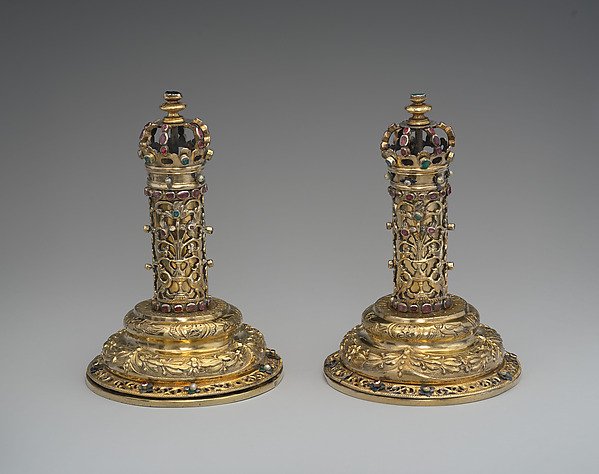
Pair of Torah finials (Rimmonim) is a candidate image from The Metropolitan Museum of Art found with the curated search term ‘Torah scroll’. It is relevant to Judaism because it fits the page category: Torah scroll, synagogue object/interior, menorah, ritual object, ketubah, Passover object, manuscript, or ceremonial art. It would help World Religions students connect a specific object, site, or practice with the tradition.
Bowl Fragments with Menorah, Shofar, and Torah Ark
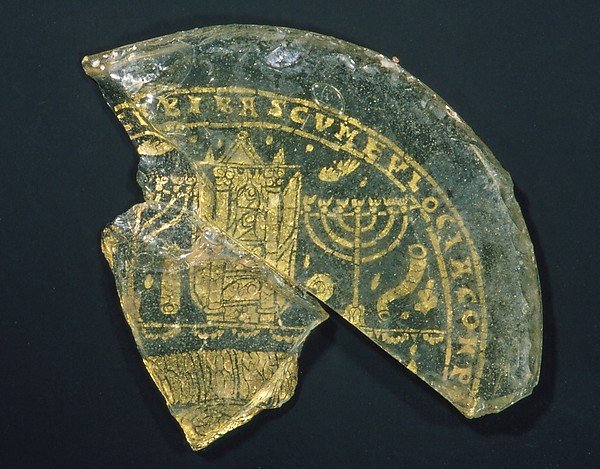
Bowl Fragments with Menorah, Shofar, and Torah Ark is a candidate image from The Metropolitan Museum of Art found with the curated search term ‘Torah scroll’. It is relevant to Judaism because it fits the page category: Torah scroll, synagogue object/interior, menorah, ritual object, ketubah, Passover object, manuscript, or ceremonial art. It would help World Religions students connect a specific object, site, or practice with the tradition.
Passover Seder Plate
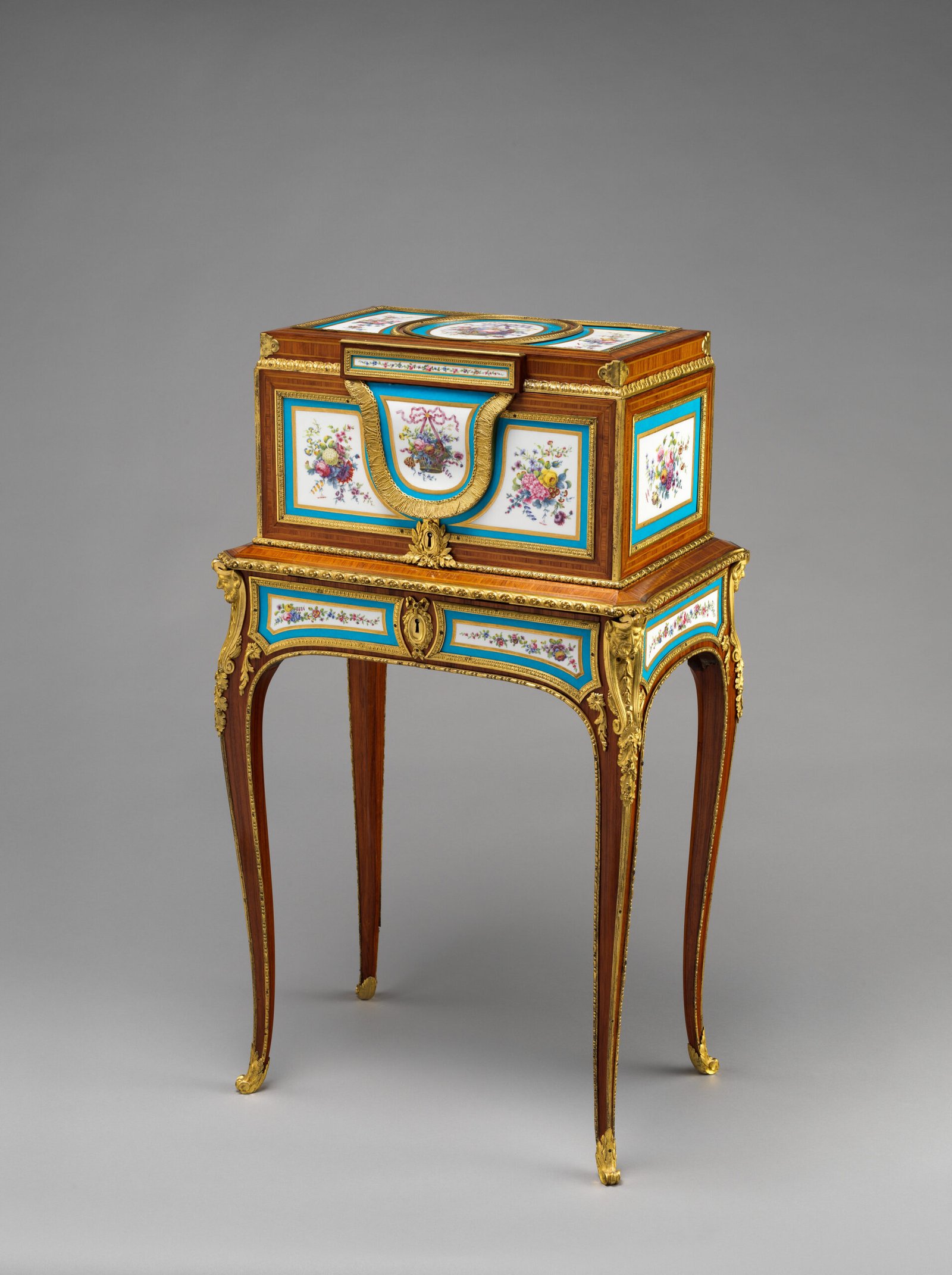
A seder plate is used during Passover to organize foods that help tell the Exodus story. It connects calendar, memory, home practice, and ritual learning. Students can compare synagogue and home-based Jewish practice.
Hanukkah lamp
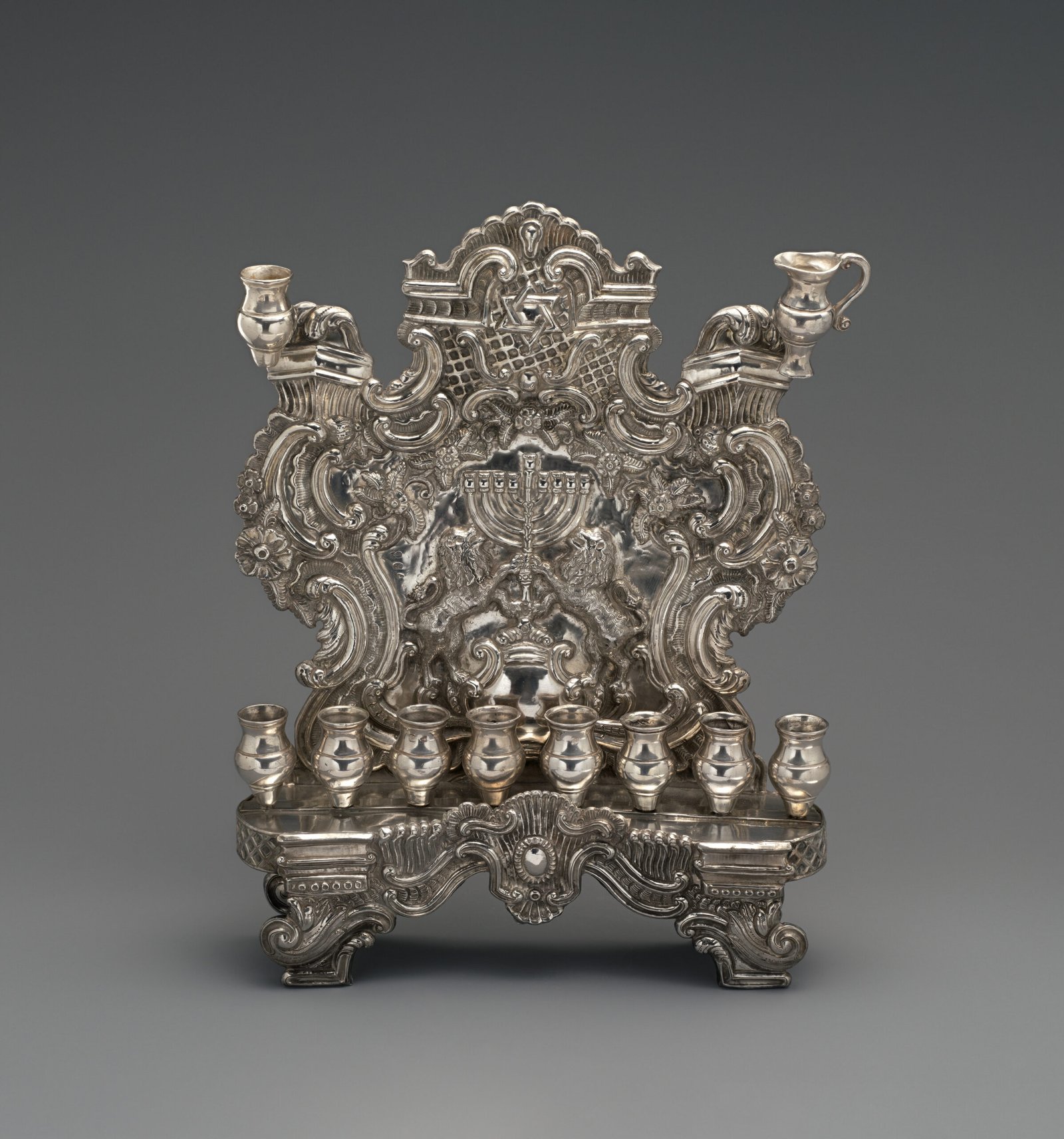
This image shows Hanukkah lamp. It connects to Judaism through hanukkah lamp / menorah. Students can use it to compare texts, objects, sites, and ritual practices.
Baraffael Family Hanukkah Lamp
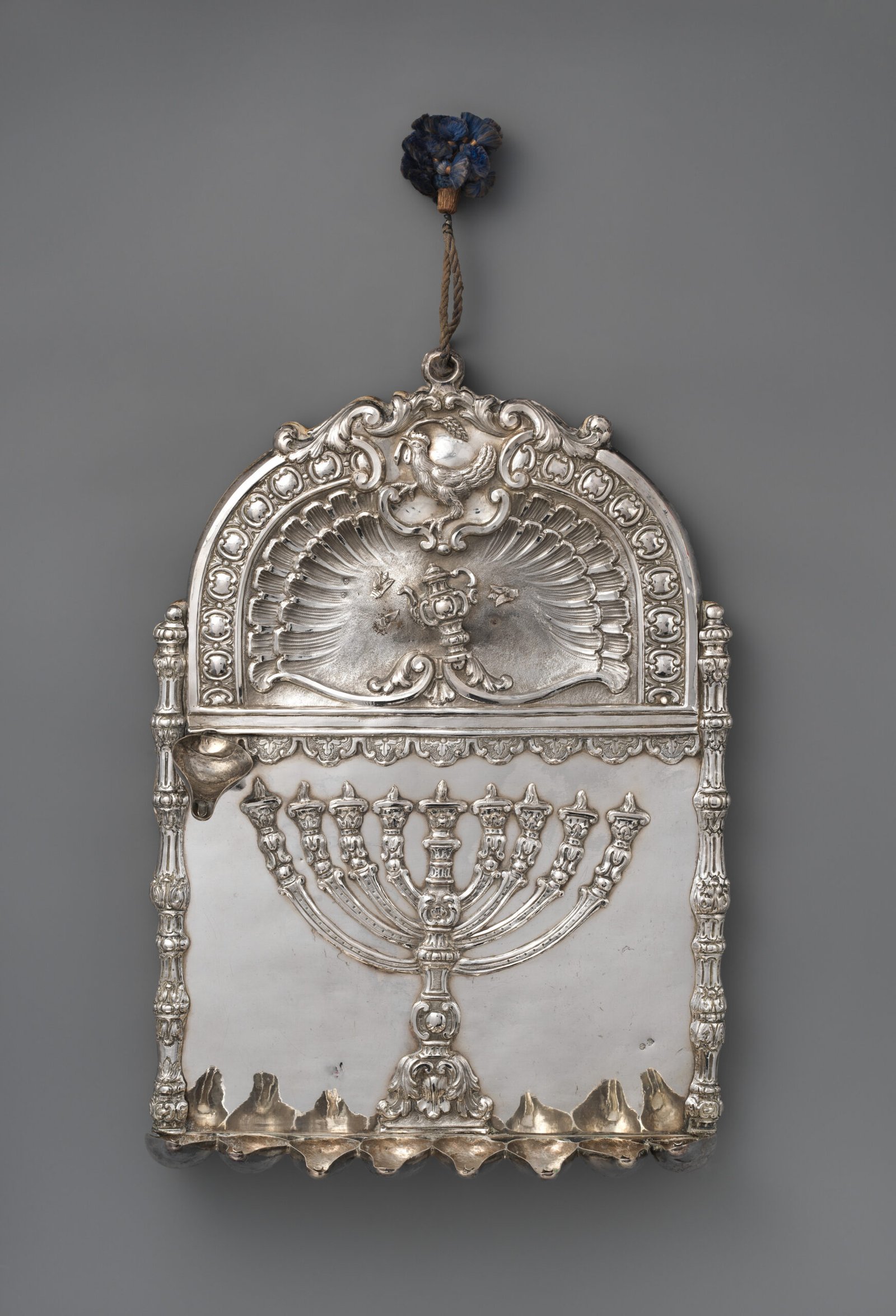
This image shows Baraffael Family Hanukkah Lamp. It connects to Judaism through hanukkah lamp / menorah. Students can use it to compare texts, objects, sites, and ritual practices.
Questions for Looking Closely
- What specific details in the image connect it to this tradition?
- What source information helps you interpret the image responsibly?
- How does this image complicate a simple or stereotyped understanding of the tradition?
- What comparison could you make with another image on this page?