
Hinduism: Images, Symbols, and Sacred Places
This gallery presents Hindu images and sacred forms selected for study and comparison. Use the images to observe deities, attributes, stories, temple culture, and regional variation.
These images are selected for study and comparison. Look closely at the source, rights note, caption, and category for each image before drawing conclusions.
Shiva as Lord of Dance, Nataraja
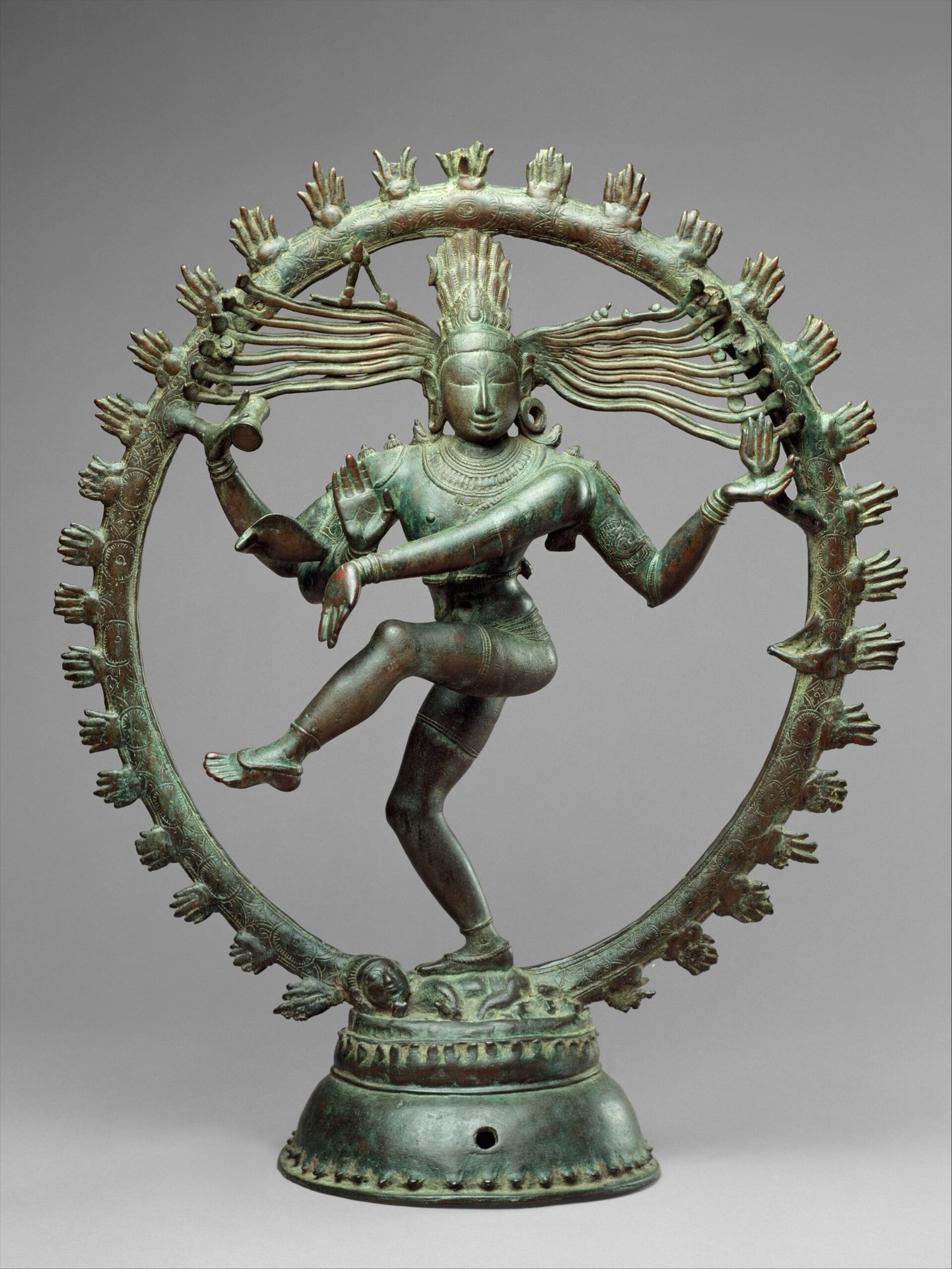
This bronze shows Shiva as Nataraja, the Lord of Dance. It connects Hindu iconography with cosmic creation, preservation, destruction, and renewal. Students can compare the deity’s attributes and movement with other Hindu images.
Vishnu, Kathmandu Valley
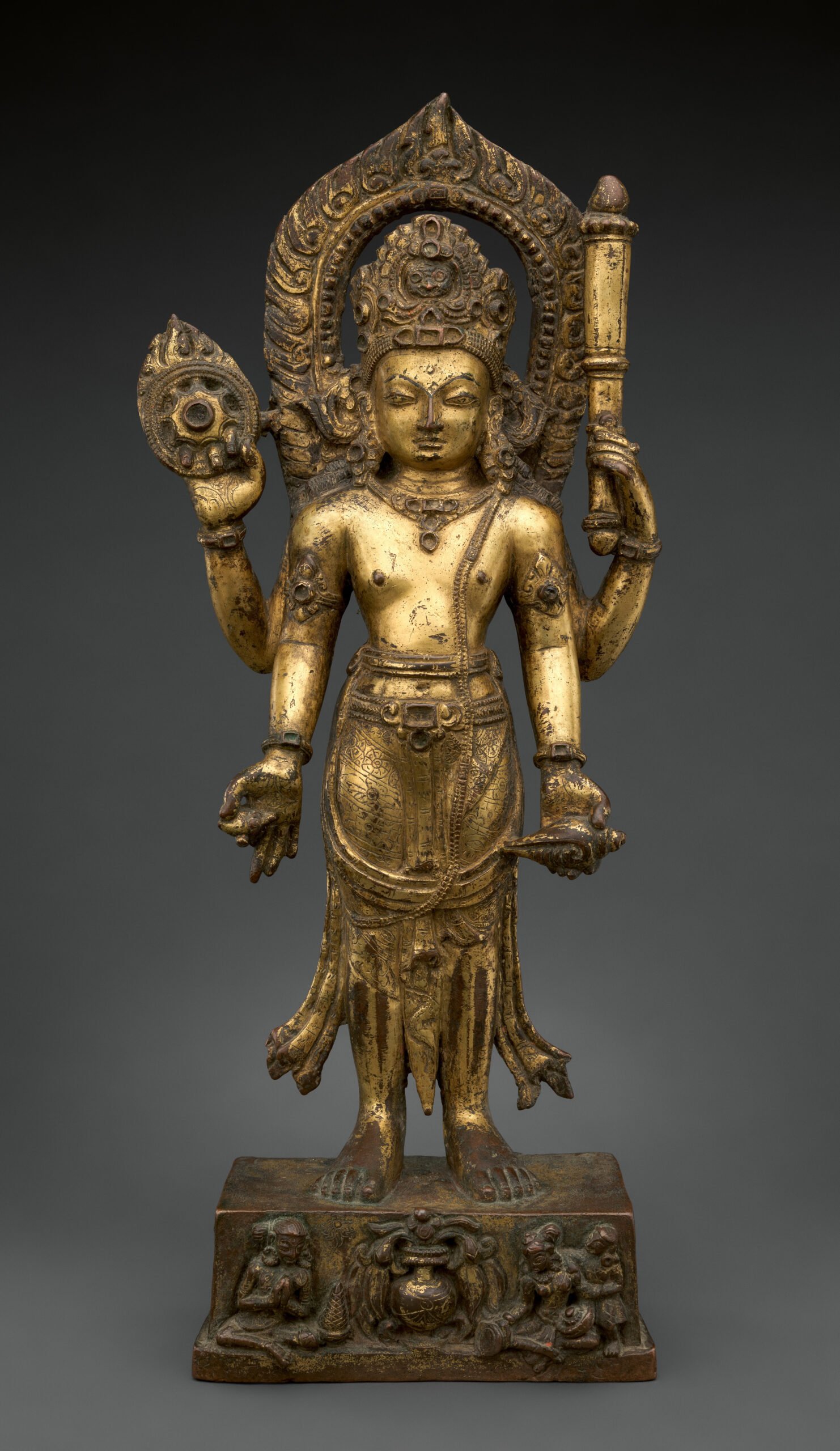
This image represents Vishnu in a regional Nepalese context. It helps students identify divine attributes and compare forms of Hindu devotion. It broadens the page beyond Ganesha images.
Durga Slaying Mahisha
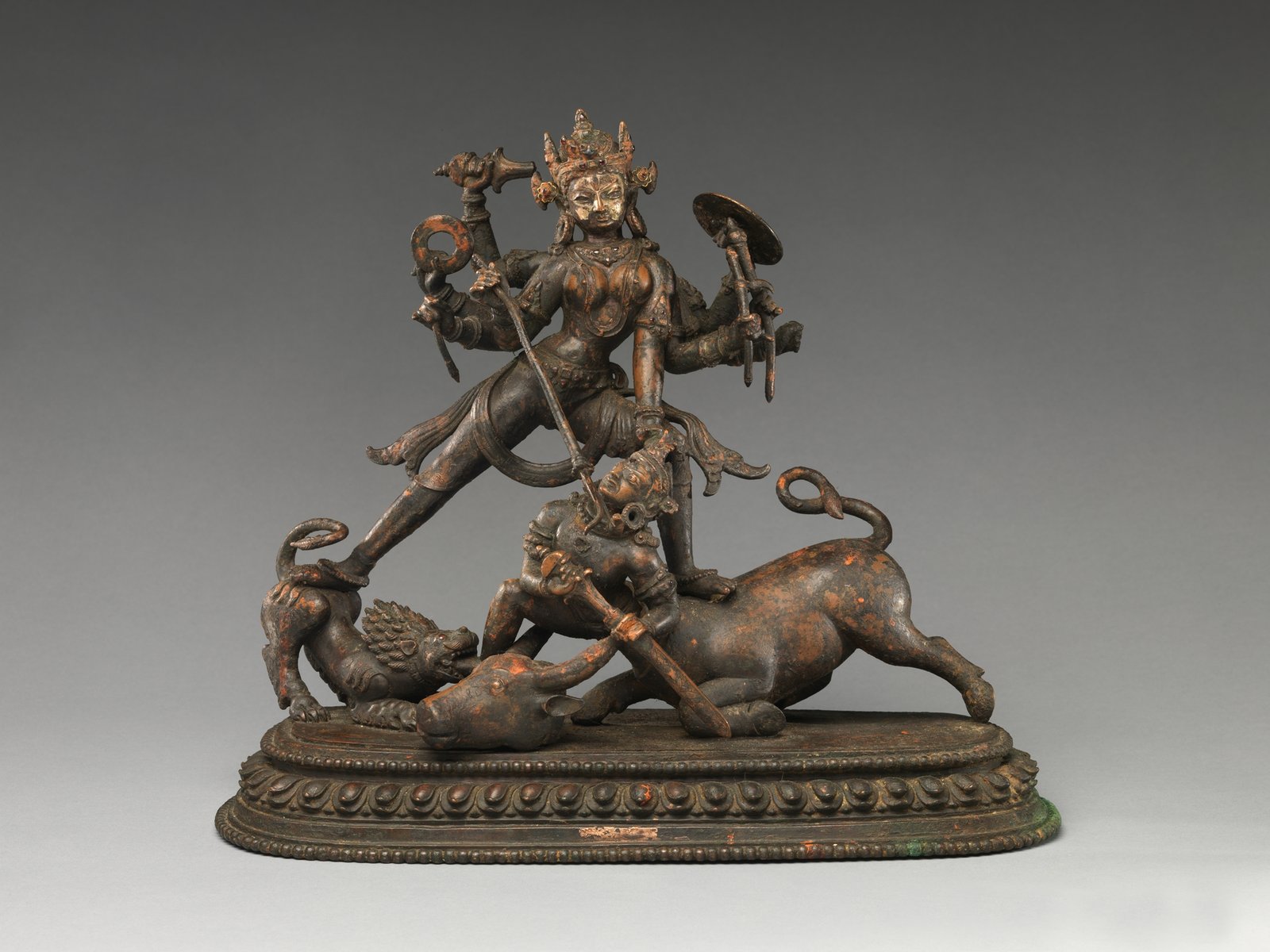
This image shows Durga defeating Mahisha, a specific Hindu mythic scene. It connects visual details such as weapons and multiple arms with divine power and restoration of order. Students can compare narrative deity imagery with temple and devotional images.
Standing Ganesha
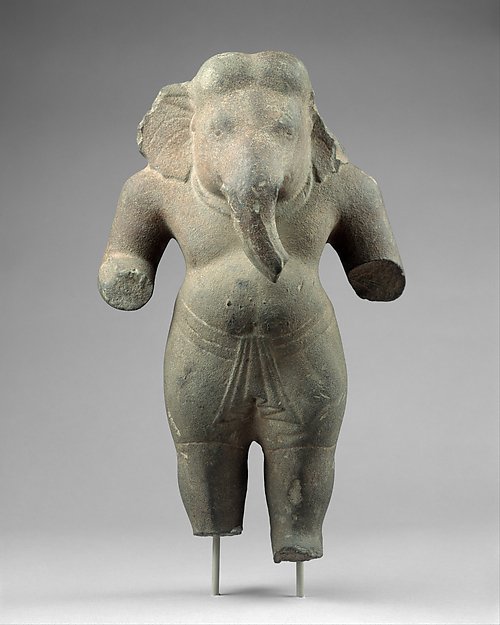
This image shows Standing Ganesha. It connects directly to Hinduism through ganesha. Students can use it to compare how objects, texts, sites, and practices communicate religious ideas in a World Religions course.
Questions for Looking Closely
- What specific details in the image connect it to this tradition?
- What source information helps you interpret the image responsibly?
- How does this image complicate a simple or stereotyped understanding of the tradition?
- What comparison could you make with another image on this page?