
Jainism: Images, Symbols, and Sacred Places
This gallery presents Jain images and objects selected for close study. Use the images to connect Tirthankaras, manuscripts, discipline, nonviolence, and devotional culture.
These images are selected for study and comparison. Look closely at the source, rights note, caption, and category for each image before drawing conclusions.
Jain Svetambara Tirthankara in Meditation
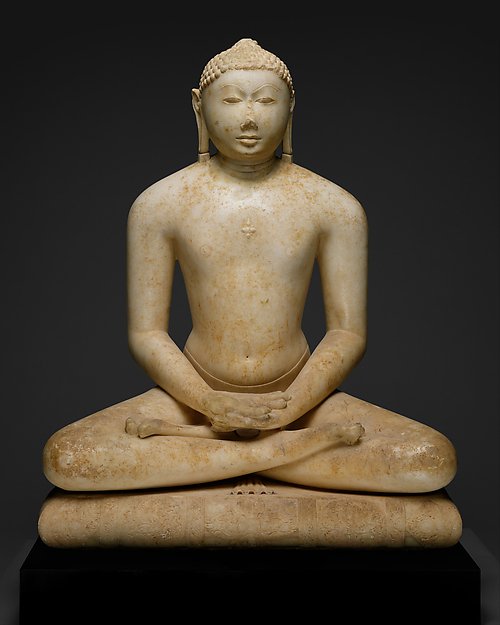
Jain Svetambara Tirthankara in Meditation is a candidate image from The Metropolitan Museum of Art found with the curated search term ‘Jain Tirthankara’. It is relevant to Jainism because it fits the page category: Tirthankara image, Jain manuscript, temple architecture, pilgrimage site, or Jain symbol/object. It would help World Religions students connect a specific object, site, or practice with the tradition.
Seated Jain Tirthankara
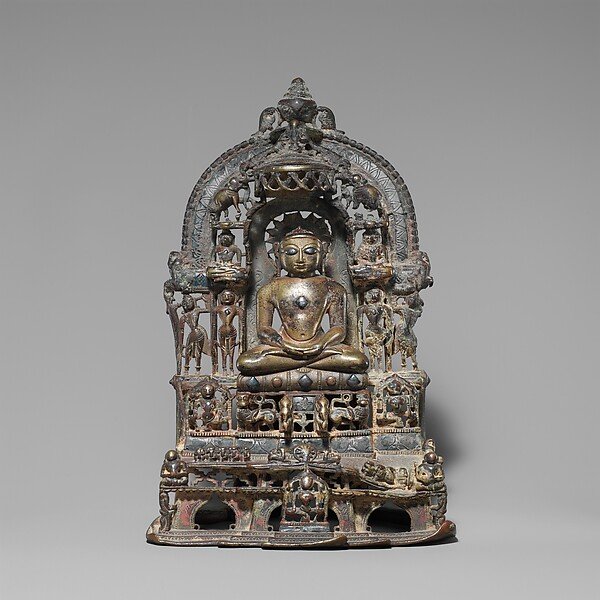
Seated Jain Tirthankara is a candidate image from The Metropolitan Museum of Art found with the curated search term ‘Jain Tirthankara’. It is relevant to Jainism because it fits the page category: Tirthankara image, Jain manuscript, temple architecture, pilgrimage site, or Jain symbol/object. It would help World Religions students connect a specific object, site, or practice with the tradition.
Lustration of the Infant Jina Mahavira
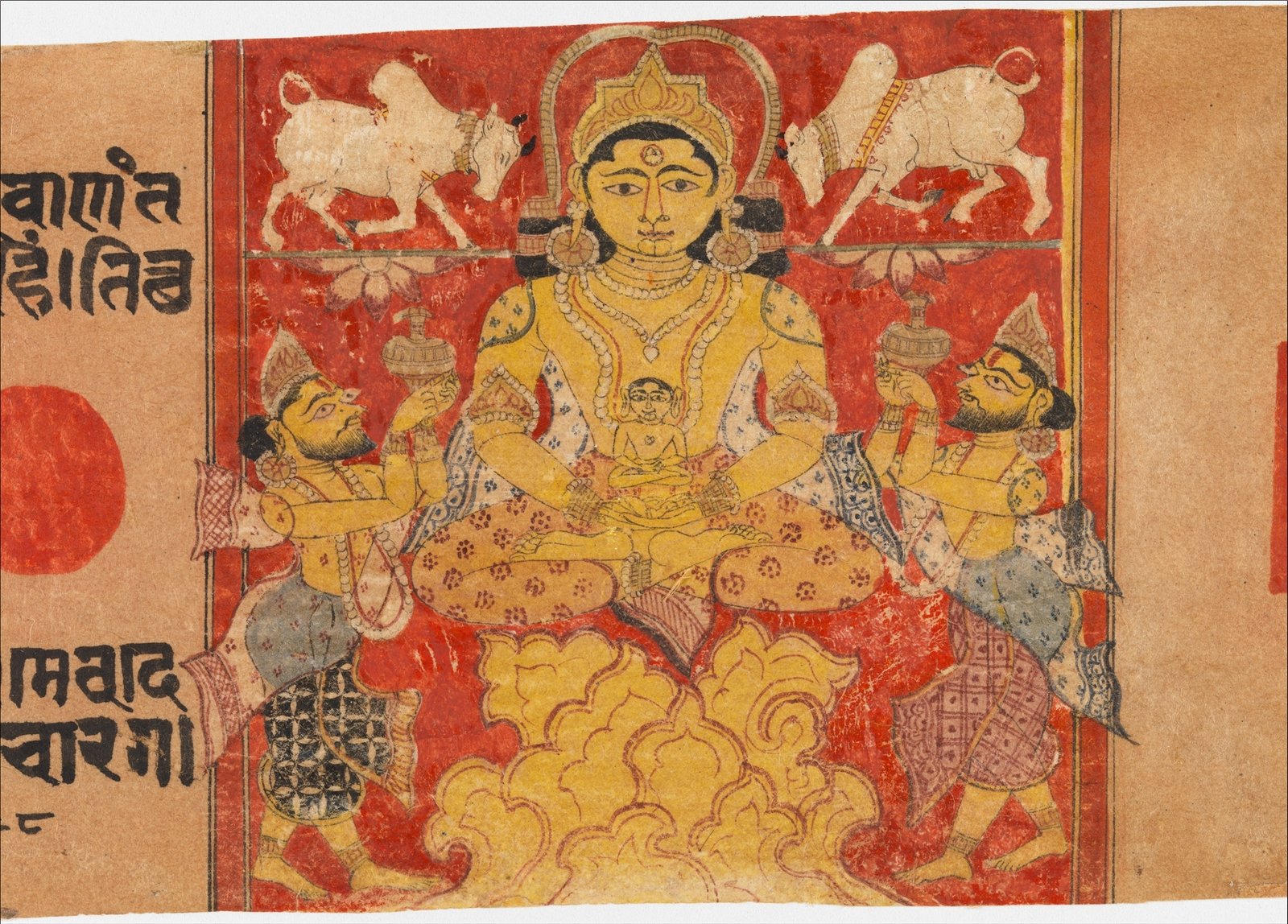
This Kalpasutra folio shows a Jain sacred narrative connected with Mahavira. It broadens the page beyond stone Tirthankara images. Students can discuss Jain textual preservation, sacred biography, and manuscript culture.
Devananda’s Fourteen Auspicious Dreams Foretelling the Birth of Mahavira: Folio from a Kalpasutra Manuscript
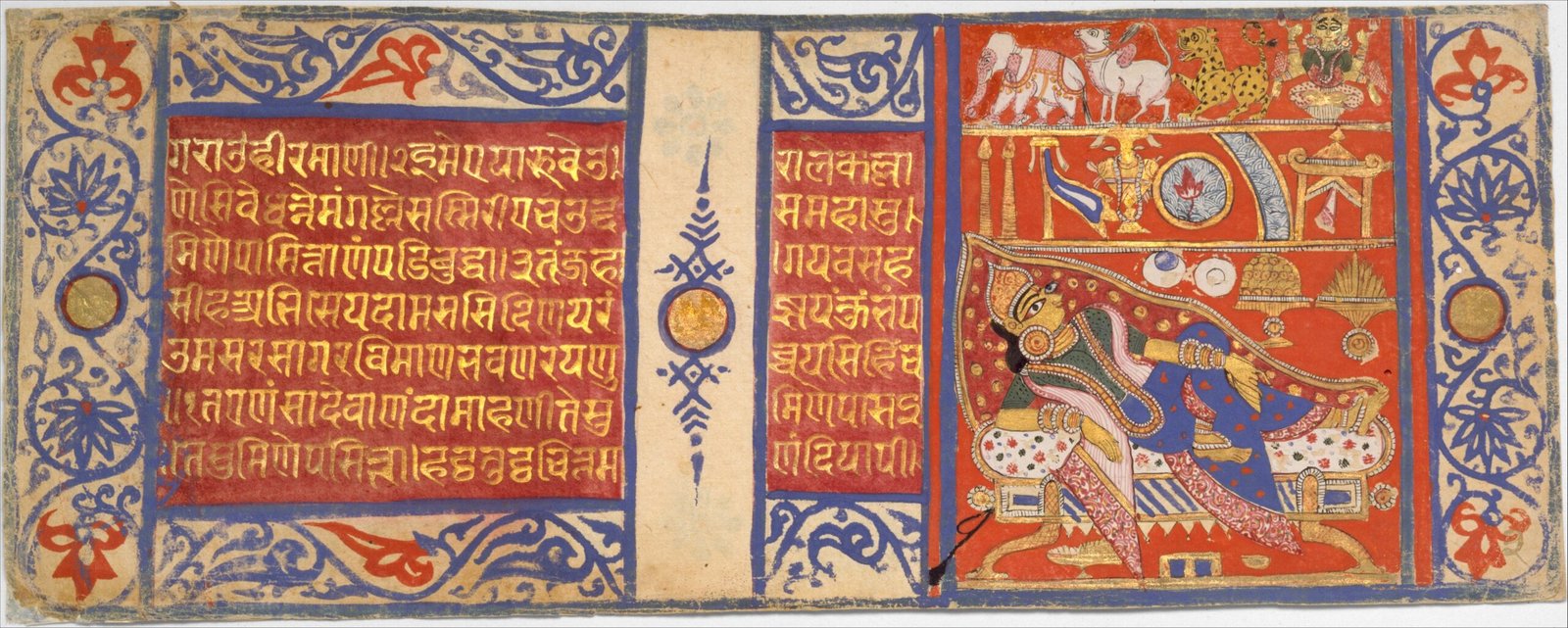
This image shows Devananda’s Fourteen Auspicious Dreams Foretelling the Birth of Mahavira: Folio from a Kalpasutra Manuscript. It connects to Jainism through jain manuscript. Students can use it to compare how objects, texts, places, and practices communicate religious ideas.
Questions for Looking Closely
- What specific details in the image connect it to this tradition?
- What source information helps you interpret the image responsibly?
- How does this image complicate a simple or stereotyped understanding of the tradition?
- What comparison could you make with another image on this page?