
Islam: Images, Symbols, and Sacred Places
This gallery presents Islamic manuscripts, architecture, calligraphy, and design selected for close study. It avoids images of the Prophet Muhammad and focuses on text, prayer, ornament, and sacred space.
These images are selected for study and comparison. Look closely at the source, rights note, caption, and category for each image before drawing conclusions.
Section from a Qur’an Manuscript
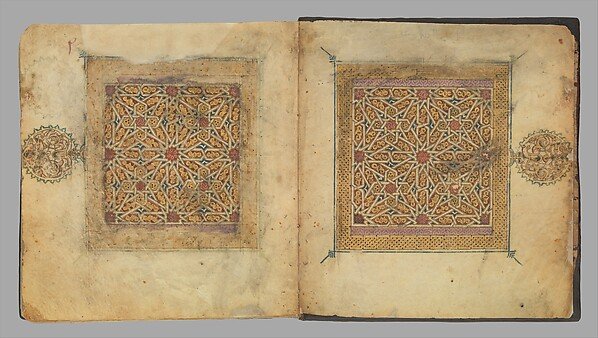
Section from a Qur’an Manuscript is a candidate image from The Metropolitan Museum of Art found with the curated search term ‘Quran manuscript’. It is relevant to Islam because it fits the page category: Mosque architecture, mihrab, Quran manuscript/calligraphy, geometric/vegetal design, minbar, or pilgrimage architecture. It would help World Religions students connect a specific object, site, or practice with the tradition.
Caution: Do not use images of the Prophet Muhammad.
Mosque Lamp
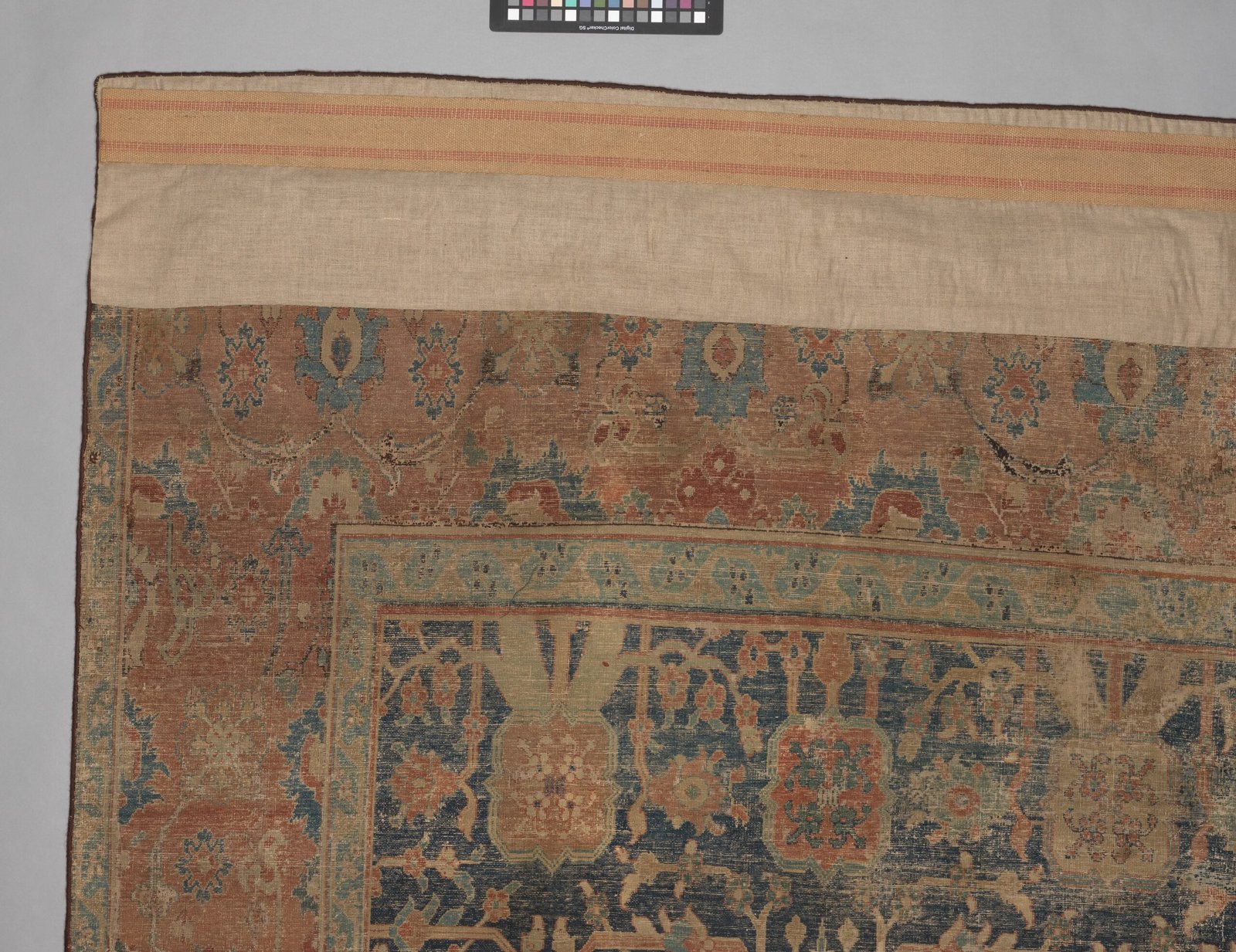
This mosque lamp connects Islamic sacred architecture with light, devotion, and material culture. It provides an object-based example beyond Qur’an folios. Students can discuss how mosque furnishings shape religious space.
Caution: Do not use images of the Prophet Muhammad.
Mihrab (Prayer Niche)
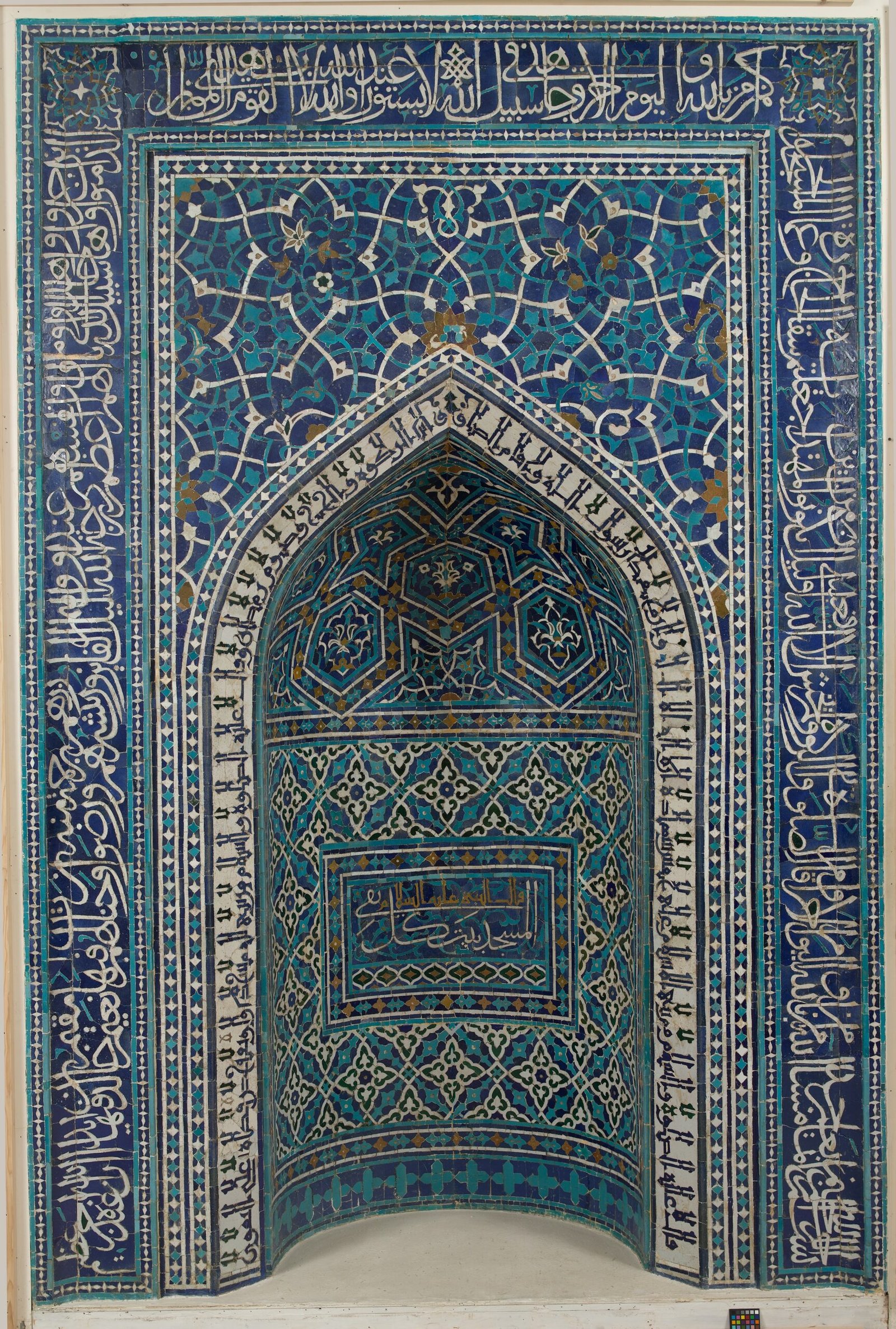
This image shows Mihrab (Prayer Niche). A mihrab marks the qibla, the direction of prayer toward Mecca. Students can connect mosque architecture with embodied prayer and the organization of sacred space.
Caution: Do not use images of the Prophet Muhammad.
Prayer in the Mosque
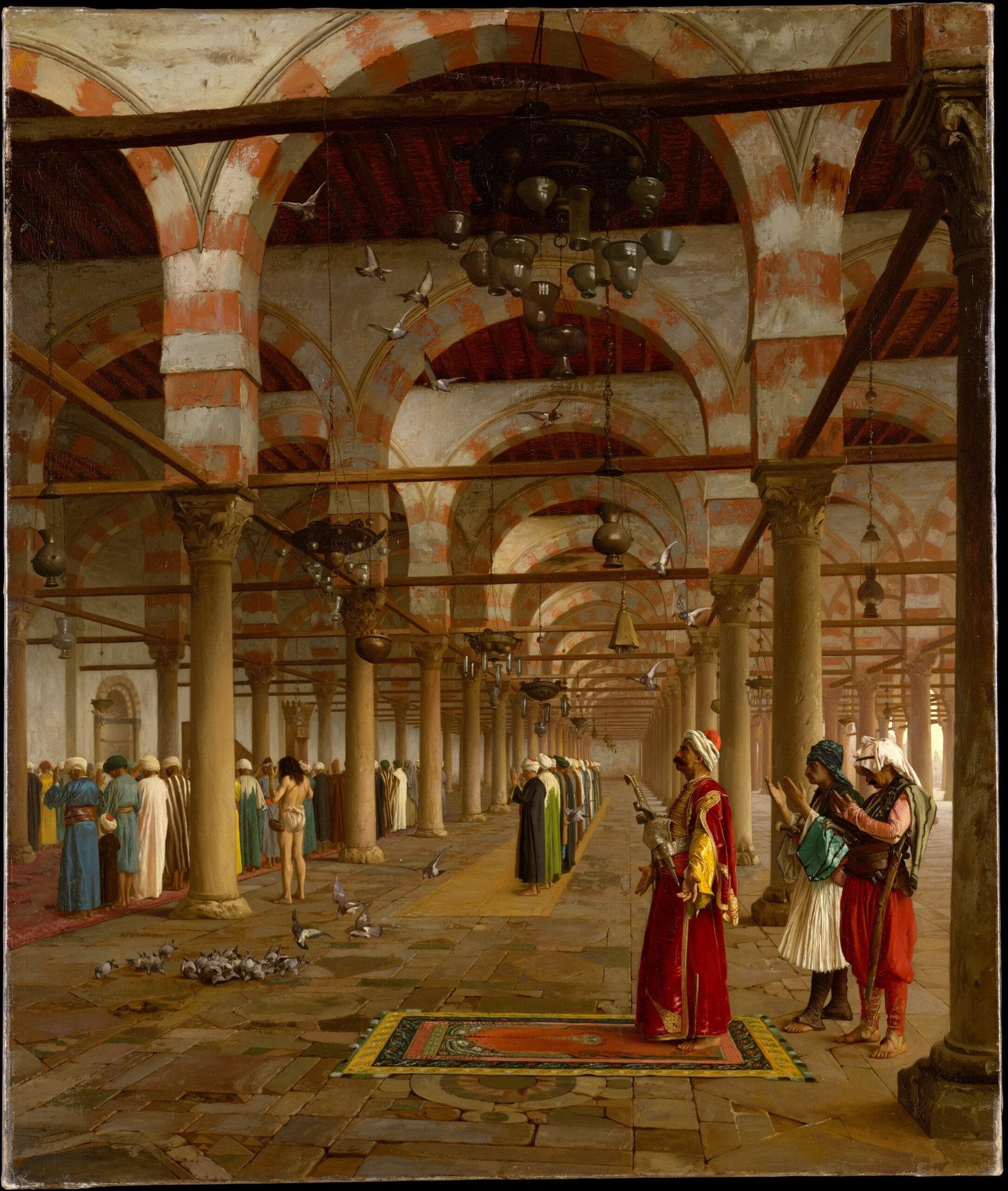
This image shows Prayer in the Mosque. A mihrab marks the qibla, the direction of prayer toward Mecca. Students can connect mosque architecture with embodied prayer and the organization of sacred space.
Caution: Do not use images of the Prophet Muhammad.
Questions for Looking Closely
- How do text, calligraphy, architecture, or design communicate religious meaning?
- How does the image connect with prayer, recitation, learning, or sacred space?
- What does the source information tell you about place, period, or artistic tradition?
- How can Islamic visual culture be studied without relying on images of the Prophet Muhammad?