
Indigenous Religions: Images, Symbols, and Sacred Places
This is a limited visual study page using only public, educationally appropriate images that passed the final safety review. Indigenous traditions are distinct and should not be treated as interchangeable; this image is included as a specific public example, not as a general symbol for all Indigenous religions. The small image set is intentional: restricted, private, or poorly contextualized images are not included.
This limited page uses fewer images than the other gallery pages because only images with clear reusable or public-display status and strong relevance were included.
Uluru, central Australia
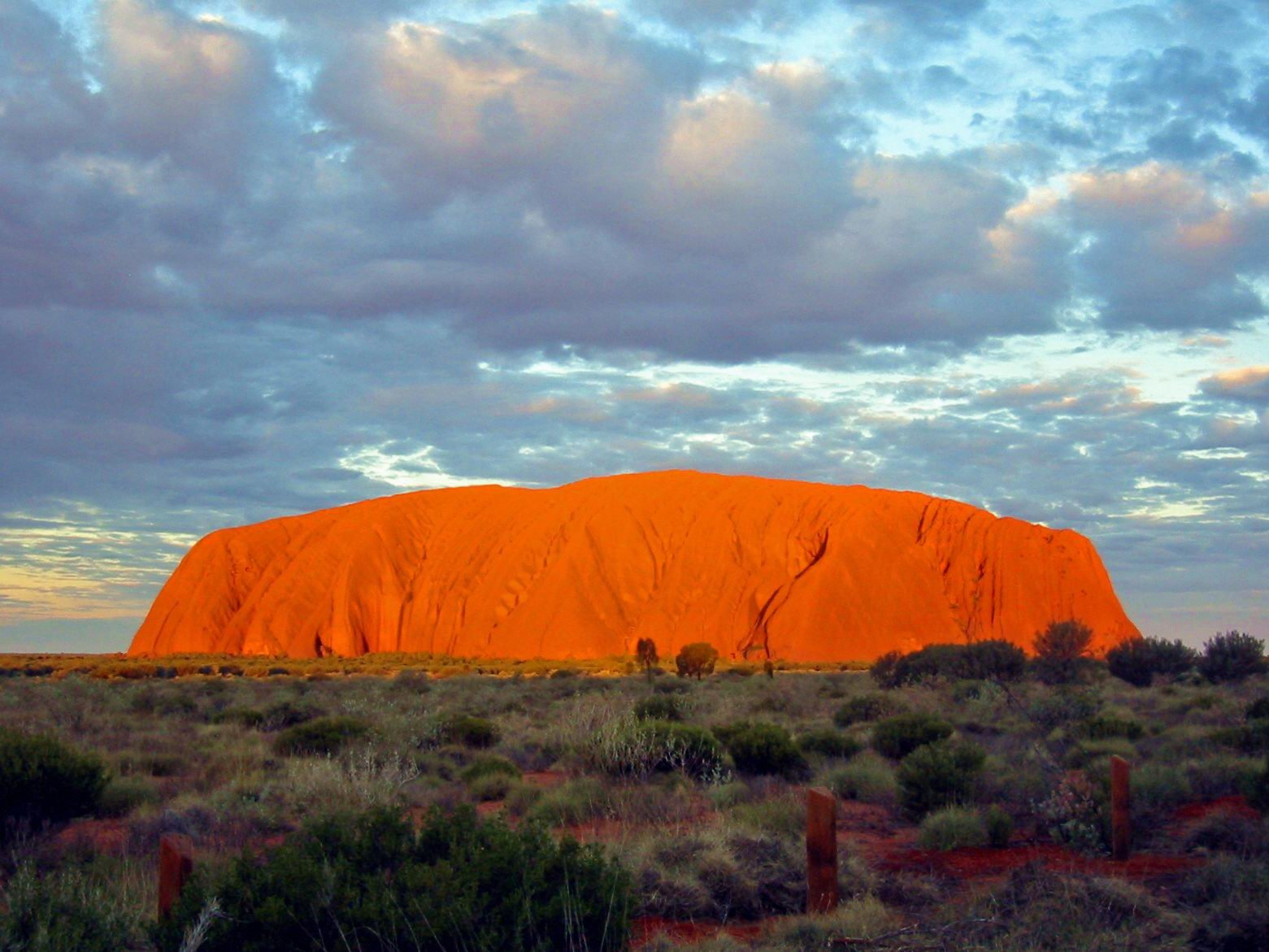
Uluru is sacred to Anangu people and should be discussed as a specific place with cultural protocols. The image is public, but it does not grant access to restricted knowledge. Students can distinguish public images of place from private ceremony.
Caution: Indigenous traditions are distinct and should not be treated as interchangeable; this image is included as a specific public example, not as a general symbol for all Indigenous religions.
.jpg)
Sunset at Uluru on July 30, 2005
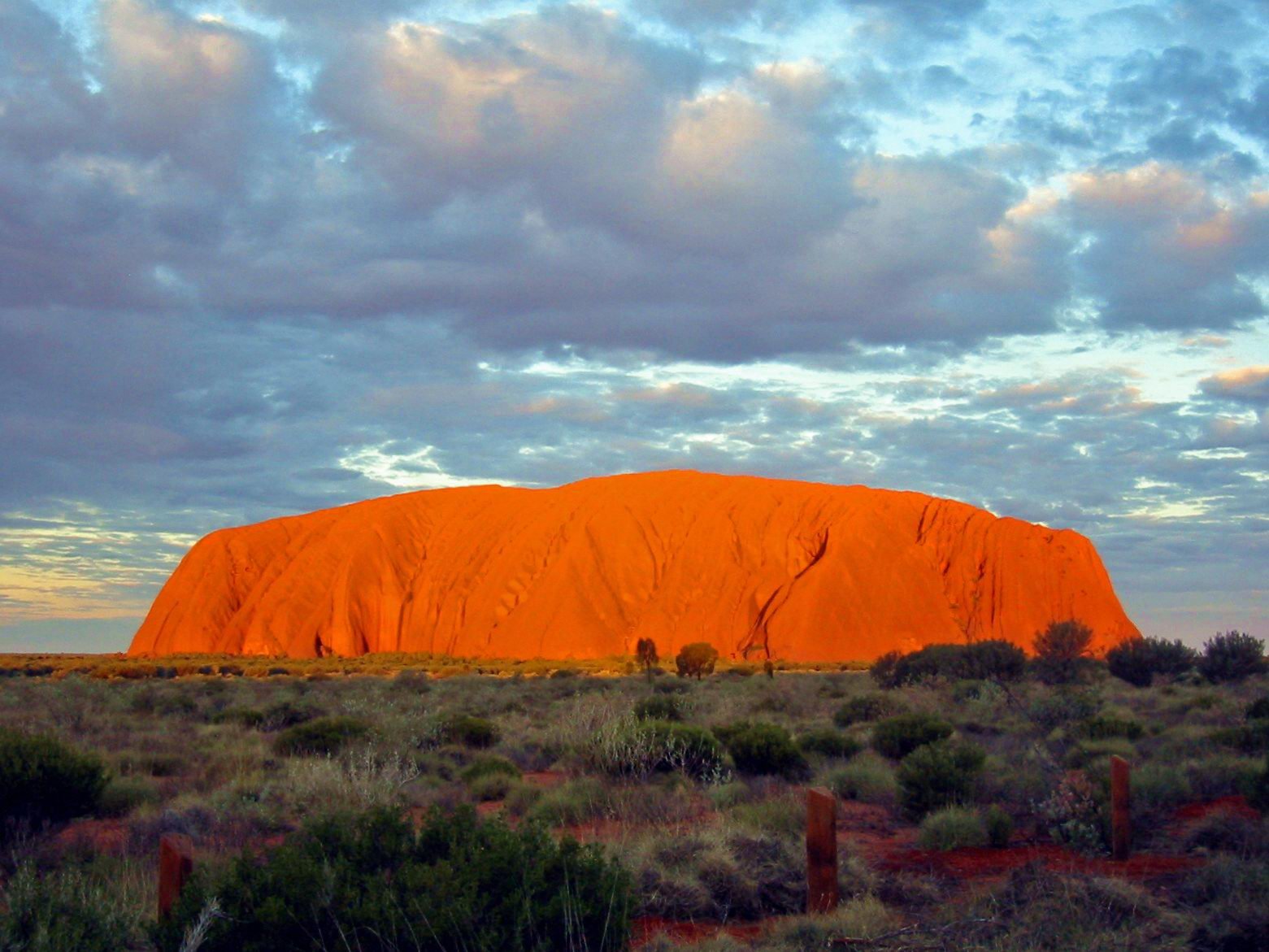
This image shows Sunset at Uluru on July 30, 2005 as a specific public example connected with uluru with anangu context. It should not be treated as a general symbol for all Indigenous traditions. Students can use it to discuss public sites or objects while respecting the difference between public interpretation and restricted ceremonial knowledge.
Caution: Indigenous traditions are distinct and should not be treated as interchangeable; this image is included as a specific public example, not as a general symbol for all Indigenous religions.

Bighorn medicine wheel
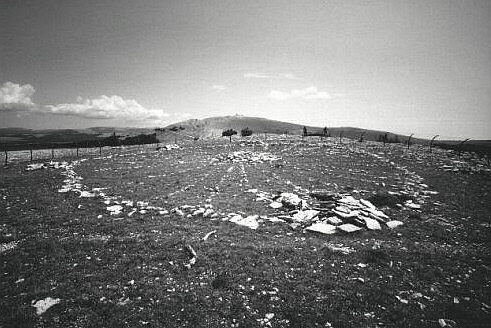
This image shows Bighorn medicine wheel as a specific public example connected with medicine wheel / public indigenous site. It must not be treated as a symbol for all Indigenous religions. Students can discuss public sites and cultural contexts while respecting limits around restricted ceremonial knowledge.
Caution: Indigenous traditions are distinct and should not be treated as interchangeable; this image is included as a specific public example, not as a general symbol for all Indigenous religions.

Why This Page Is Limited
For this topic, fewer images are better than misleading images. Public photographs of places such as Uluru can support learning, but they do not grant access to restricted knowledge and they do not stand for all Indigenous traditions. Students should read each image as a specific public example tied to a particular place, people, and source context.
Questions for Looking Closely
- What specific place, people, or public context is connected with this image?
- Why is it inaccurate to treat all Indigenous religions as interchangeable?
- What limits around sacred knowledge or restricted imagery should students respect?
- How does the source context shape what can and cannot be concluded from this image?
Further Study / Linked Resources
Further links will be added after a separate source review. For now, students should use the source and rights notes on each image card as the verified starting point for study.